Work
Building the case, then keeping it
The Kurdish genocide cases were not won by argument alone. They were won because hundreds of thousands of pages, photographs, films, testimonies and forensic exhibits were gathered, ordered, and delivered to a court.
Legal rapporteur, Case Follow-up Committee
- 01
2005
The Iraqi High Tribunal opens and begins accepting complaints from victims’ families across Iraq.
- 02
15+ complaints
Registered from Kurdistan and investigated: crimes against hundreds of thousands of people and thousands of villages.
- 03
Thousands of documents
Many rare, handed over by parties, organisations and citizens.
- 04
5 final rulings
Cases that reached trial and irreversible judgment.
Carrying the cases between Baghdad and Erbil
- 01
At the top of the state
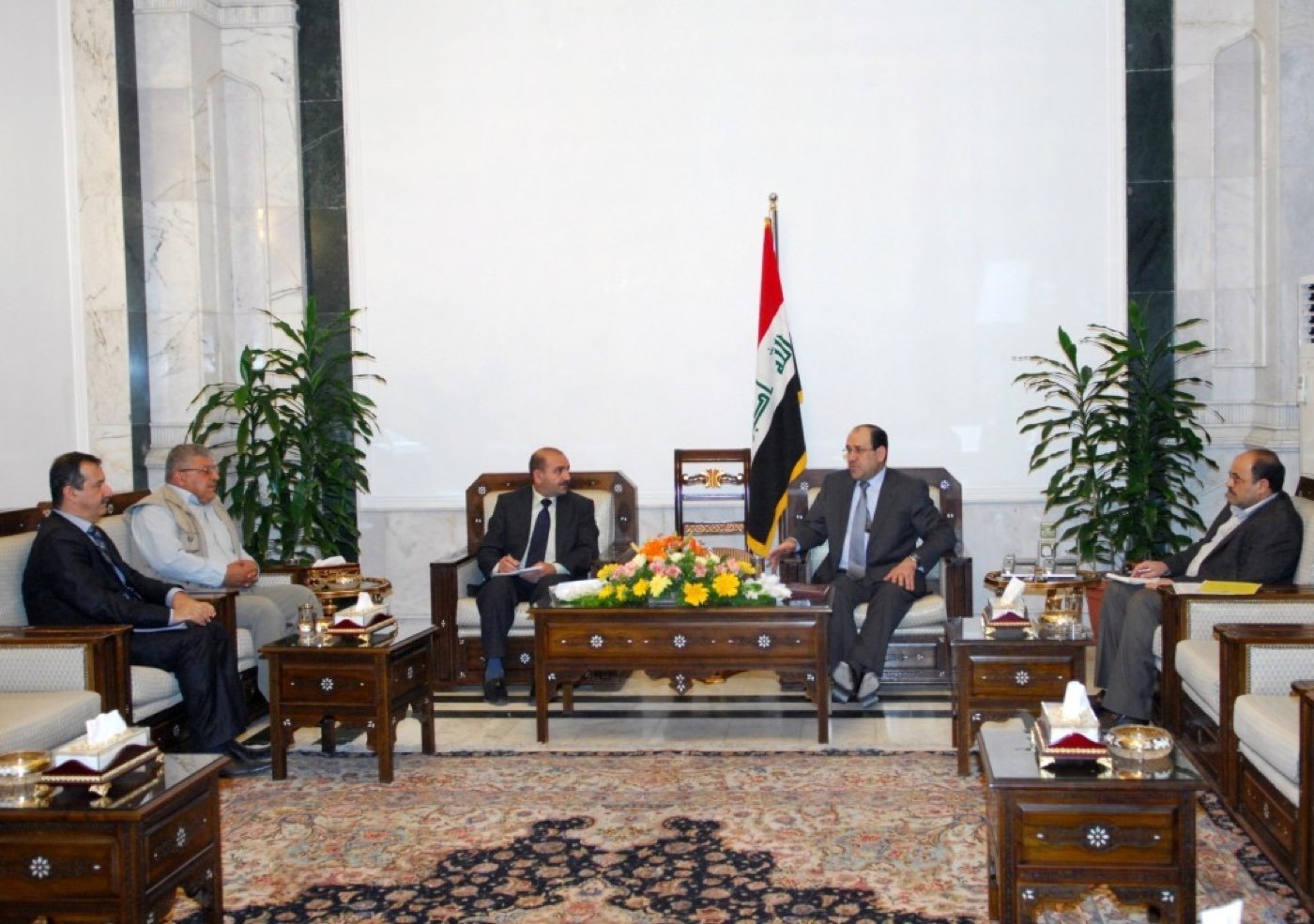
Met President Jalal Talabani and Prime Minister Nouri al-Maliki.
- 02
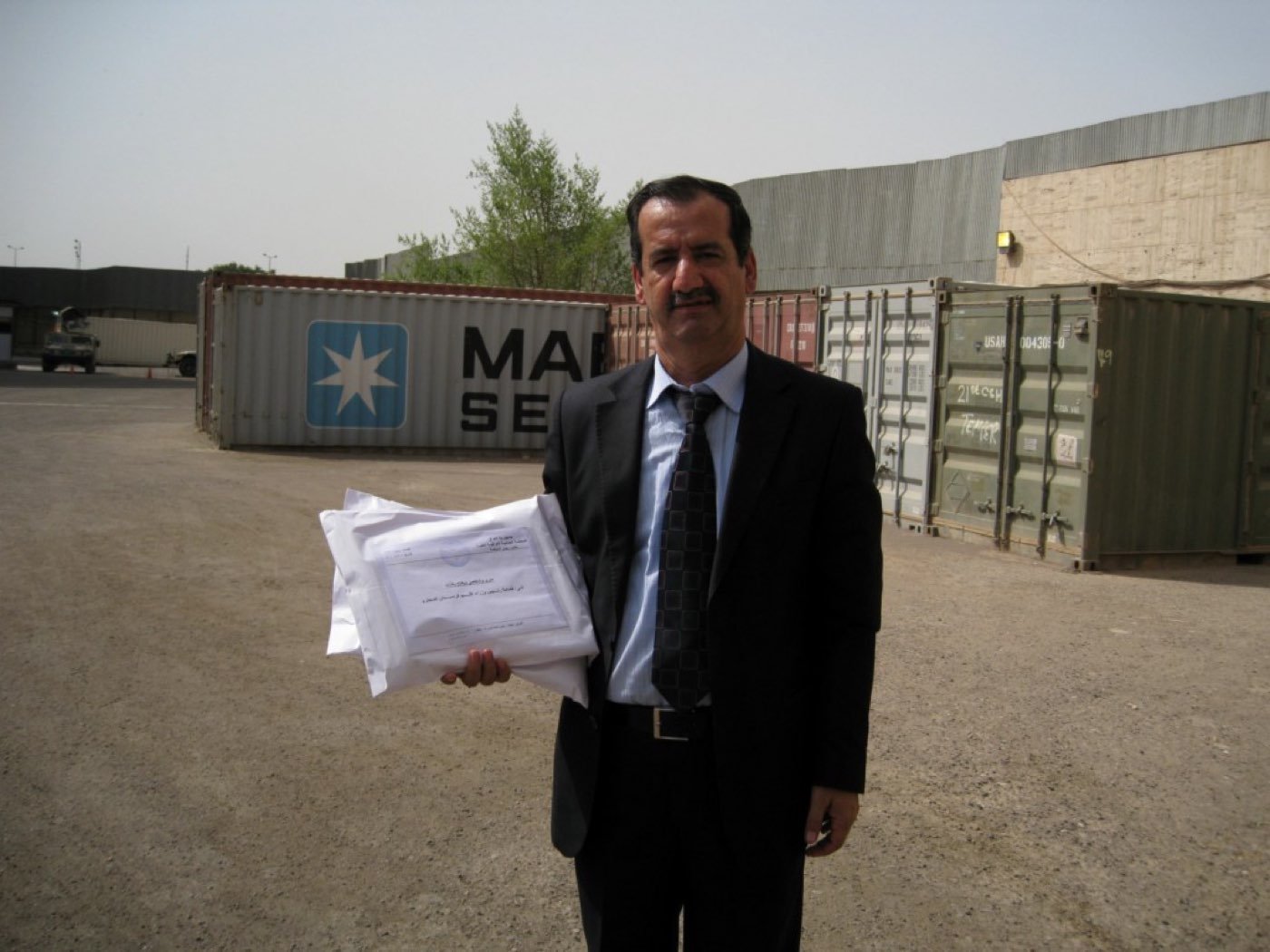
Sealed correspondence
Carried from the tribunal’s President to the Kurdistan Region’s Prime Minister.
- 03
Why it mattered
Two governments, one court: files, witnesses and claims had to move between them without loss.

The evidence is being lost
- 01
Everything assembled
Documents, photographs, film, testimony, expert reports, remains from mass graves, munitions residue.
- 02
Delivered to the court
All of it attached to the case files.
- 03
Now at risk
Dispersed, deteriorating or close to lost.
- 04
What is at stake
Without it, the record of what was done grows harder to defend.

Political prisoners and the right to protest
- 01
On the street
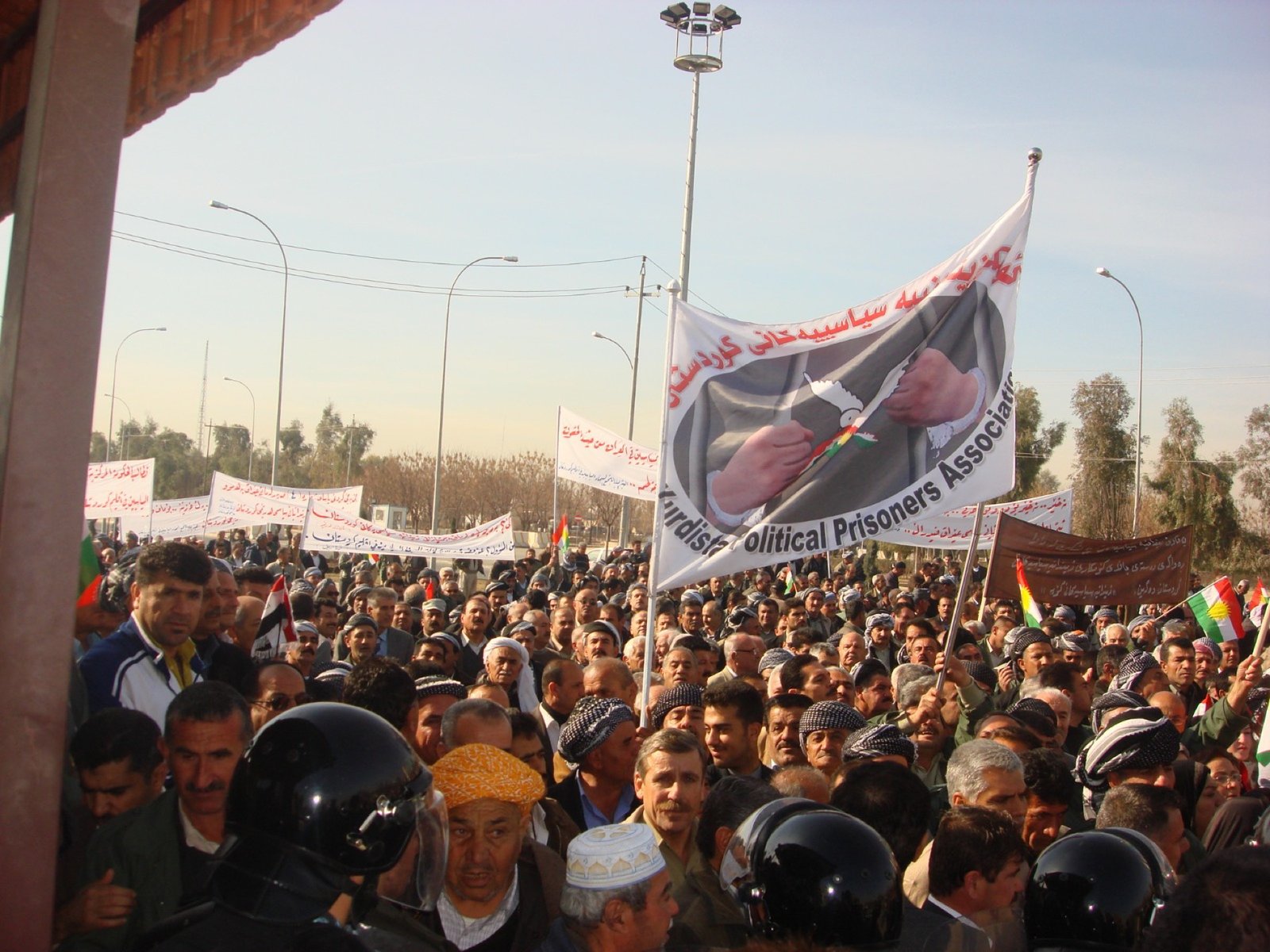
Mass marches with the Kurdistan Political Prisoners Association.
- 02
The demands
Recognition of prisoners’ rights, no discrimination between victims, enforcement of laws already passed.
- 03
At home too
Documents treatment of prisoners in the Kurdistan Region: tolerating torture forfeits the movement’s standing.

Before the tribunal
Cases carried to final judgment
| Case | Subject |
|---|---|
| Anfal | The systematic campaign of destruction against the Kurdish countryside |
| Halabja | The chemical bombardment of the town |
| The Barzanis | The mass disappearance of the Barzani men |
| Ethnic cleansing | Forced demographic change and expulsion |
| Faili Kurds | Mass killing and deprivation of nationality |
Looking for a source, a speaker, or an archive partner?
Enquiries welcome from courts, commissions, universities, museums, newsrooms and human rights organisations.